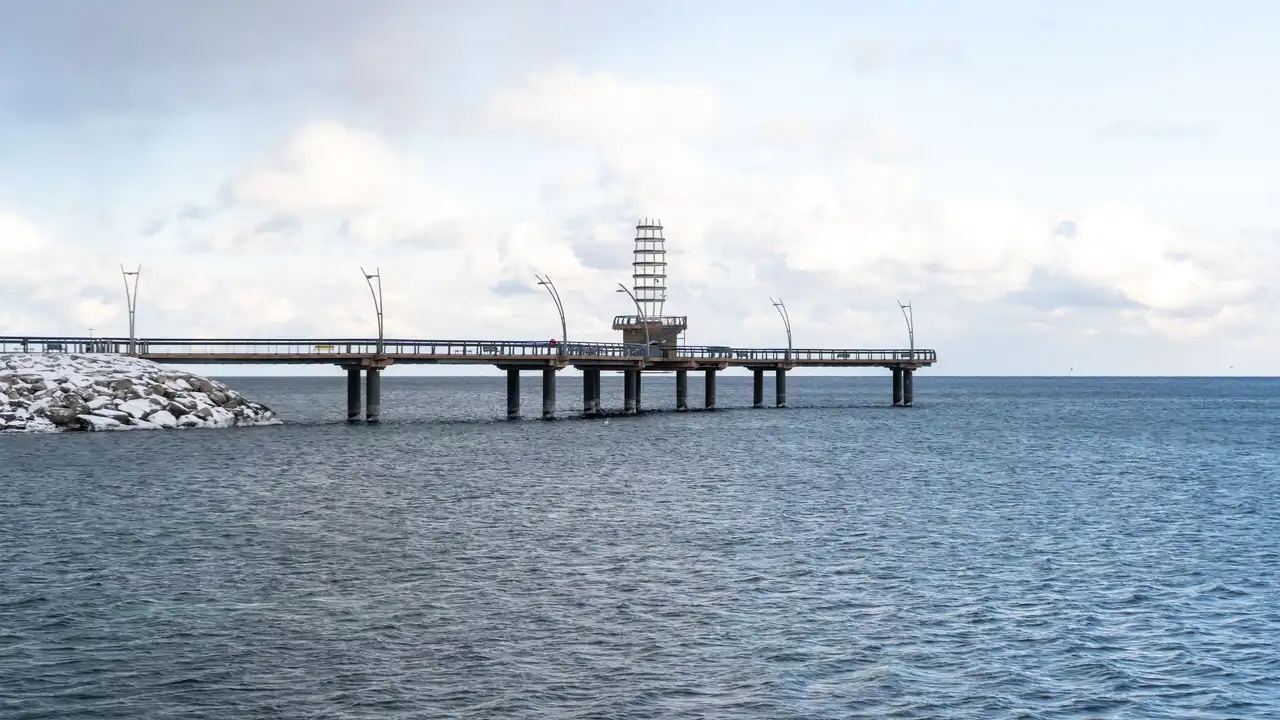
283 listings for sale in Burlington
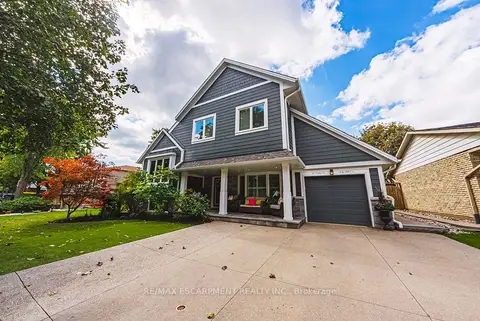
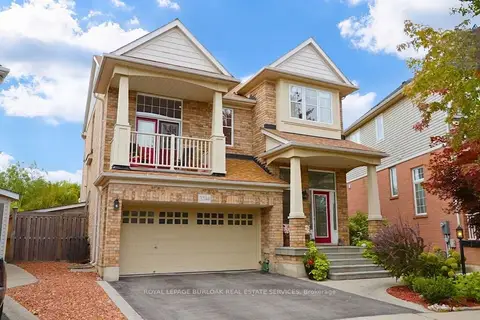
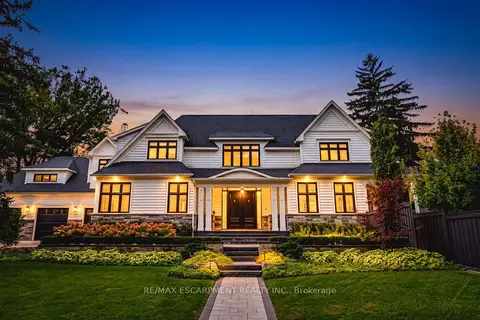
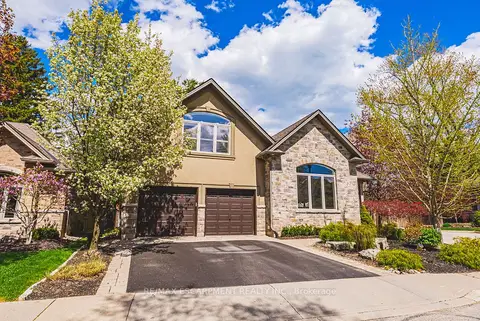
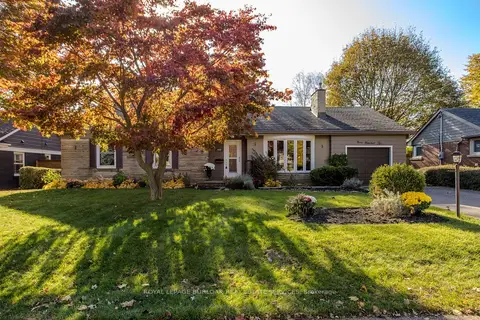
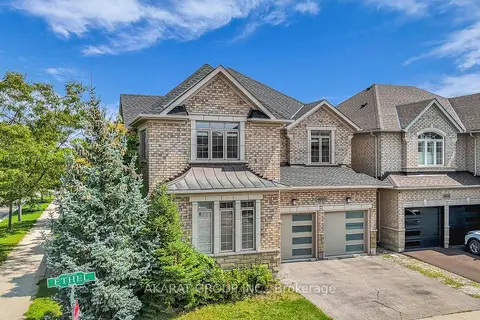
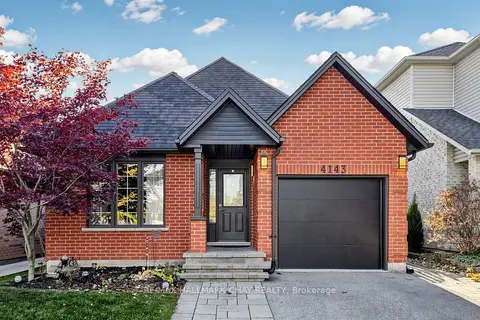
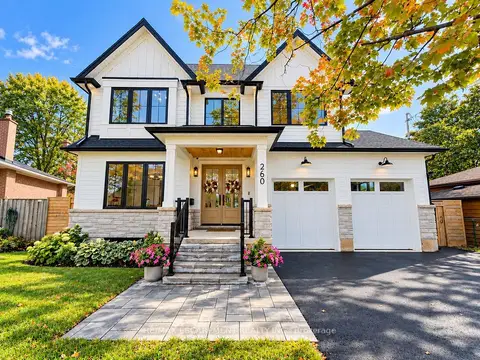
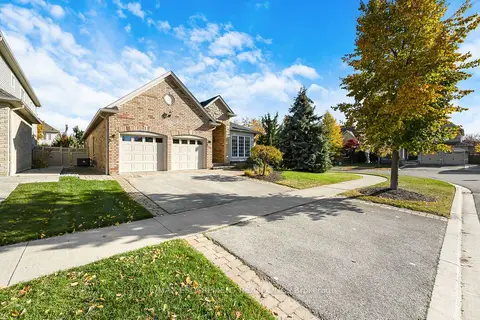
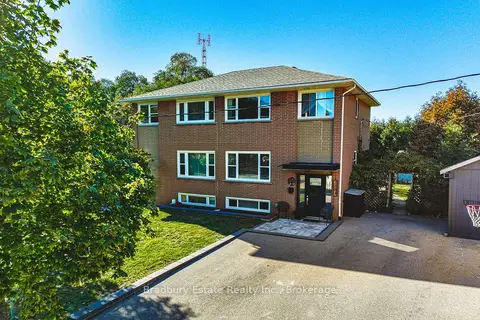
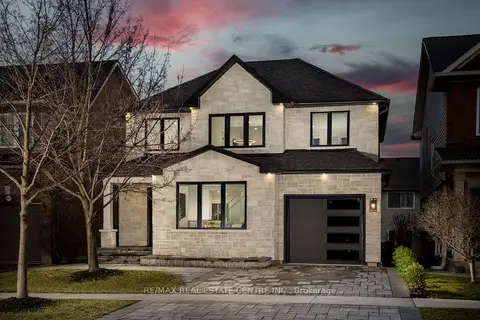
Current listings in Burlington include 258 Detached from $699.9K–$15M and 25 Semi-Detached from $699.9K–$1.4M.
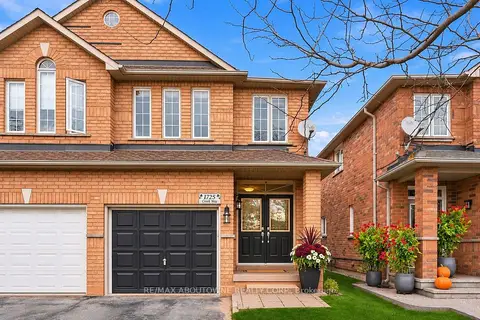
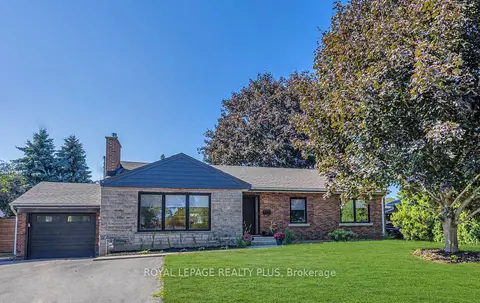
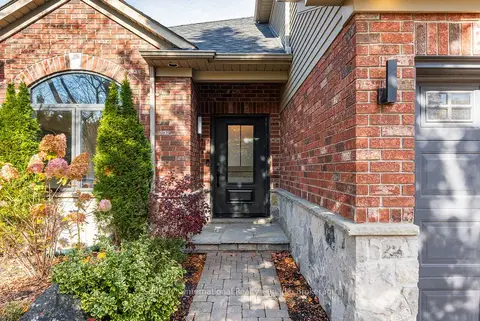
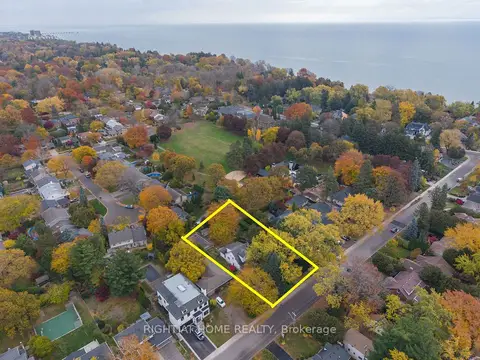
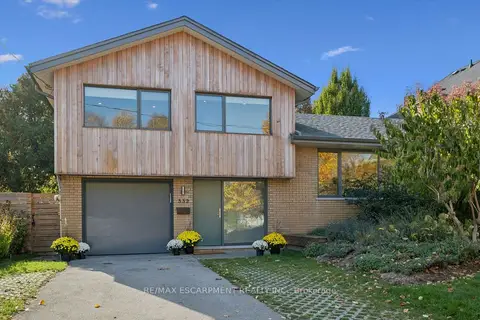
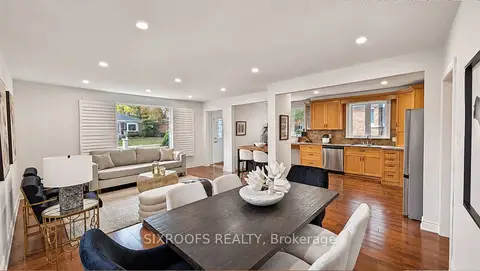
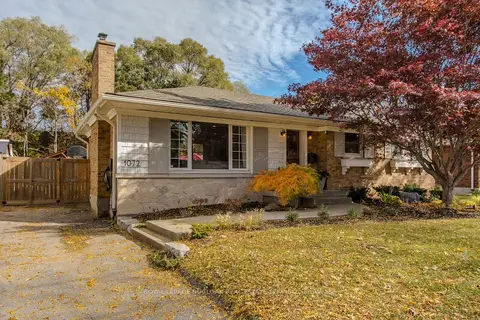




Keep exploring
Get to know Burlington
The numbers
Burlington by the numbers
detached homes for sale in Burlington vs nearby cities
In Burlington, the median asking price for detached homes is $1.4M, lower than Mississauga ($1.5M) and Oakville ($1.9M), and higher than Milton ($1.2M).
Detached homes that sold in October 2026 went for a median of $686 per square foot, higher than Mississauga ($600), Oakville ($646) and Milton ($532).
Sales in October 2026 closed at 96% of the asking price, about the same as Mississauga (96%), and higher than Oakville (95%), and lower than Milton (98%).
Listings have been on the market for an average of 41 days, shorter than Mississauga (51) and Oakville (49), and longer than Milton (37).
There are 2.9 months of inventory at the recent sales pace, fewer than Mississauga (4.6), Oakville (5.4) and Milton (3.4).
| Metric | Burlington | Mississauga | Oakville | Milton |
|---|---|---|---|---|
| Median Asking Price | $1.4M | $1.5M | $1.9M | $1.2M |
| Median Sold $/sqft | $686 | $600 | $646 | $532 |
| Sale-to-List Ratio | 96% | 96% | 95% | 98% |
| Avg. Days on Market | 41 | 51 | 49 | 37 |
| Months of Inventory | 2.9 | 4.6 | 5.4 | 3.4 |
Asking prices, days on market and inventory are current. Sold figures are for sales in October 2026.
Burlington Home Market
As of November 2026, Burlington has 259 active detached homes for sale with a median list price of $1.4M, averaging 41 days on market. Inventory is low at 2.9 months of inventory, but homes are selling under their first asking price and prices aren't clearly rising, so this is currently a balanced market.
Balanced market
2.9 months of inventory
47% of new listings sold
Supply is low, but homes are selling under their first asking price and prices aren’t clearly rising.
How we call the market
Inventory is low at 2.9 months of inventory, but homes are selling under their first asking price and prices aren't clearly rising, so this is currently a balanced market. From August to October 2026, 270 detached homes sold, 101 sellers took their home off the market without relisting and 173 came back at a lower price — a 73% sell-through. Over August to October 2026, homes sold for a median 95.1% of their first asking price, and the median sold price per square foot was about the same as a year earlier.
What we measure, over the last three full months
- Months of inventory: homes for sale today, divided by the average number sold per month. Fewer months means less choice for buyers.
- Sell-through: of the sellers whose listing ended, the share who actually sold. A seller who takes their home off the market and doesn’t list it again within 60 days counts as not selling. A home that comes off and goes back on (often a day later, at a lower price) counts as a price cut, not a seller giving up.
- Sold vs. first asking price: what homes sold for, compared with the price they were first listed at. We follow a home back through any relists, because a relist starts a new MLS® listing and hides the earlier, higher price.
- Sales to new listings: homes sold for every 100 that came on the market. TRREB publishes this as its SNLR. Under 40% favours buyers and over 60% favours sellers.
- Price trend: the median sold price per square foot, compared with the same three months a year earlier.
How the call is made
- Seller’s market: under 3 months of inventory, at least 70% sell-through, and homes selling for 98% or more of their first asking price, or prices up from a year ago while homes sell for at least 96% of it. We also need at least 20 sales in the three months, because a handful of sales can swing the numbers.
- Buyer’s market: over 6 months of inventory, or under 50% sell-through (more sellers giving up than selling).
- Balanced market: everything in between, including low inventory where sellers are cutting prices, relisting or pulling their homes. We say it leans toward buyers when fewer than 40% of new listings sold or inventory is 5 months or more, and toward sellers when more than 60% sold.
Based on MLS® listings from TRREB. Area totals only. We don’t show a call when fewer than 10 homes sold in those three months. Relists are matched by address, so a home relisted under a differently written address counts as taken off the market. Private sales and listings not on MLS® aren’t included. This is a general guide to the area, not an appraisal or advice about a specific home.
Based on properties for sale & sold — rentals not included. Figures are a monthly rollup covering November 1–6, 2026 (month to date), refreshed with each MLS® sync — shown as of November 6, 2026.
Bedrooms
259
Number of homes currently for sale in this area.
$1.4M
The middle asking price among active listings -- half are listed higher, half lower.
$768
Median list price divided by square footage, for comparing across different unit sizes.
41
Average number of days active listings have been on the market.
| Metric | Current |
|---|---|
| Active listings | 259 |
| Median asking price | $1.4M |
| Average days on market | 41 |
| Months of inventory | 2.9 mo |
| Sales in November 2026 (month to date) | 8 |
| Sale-to-list ratio | 98% |
| YoY median sold-price change | -5.4% |
Price trend
Median asking price against median sold price, by month.
-5.4%
Median sold price this period compared to the same month last year.
What actually sold
99 detached homes sold in Burlington in October 2026 at a median of $1.2M. Sales closed at an average of 96% of asking price.
Closed sales — the figures above describe homes still on the market.
$1.1M
The middle sold price among closed sales this period -- half sold for more, half for less.
$776
Median sold price divided by square footage, for comparing across different unit sizes.
2.9 mo
How long it would take to sell all current listings at the recent sales pace. Lower favors sellers, higher favors buyers.
24%
Homes sold this period as a share of new listings -- a higher ratio signals stronger demand.
98%
Average sold price as a percentage of asking price. Above 100% means homes are selling over asking.
Based on a small number of sales (8) — figures may not reflect the broader market.
8 sold in November 2026 (month to date) · median $1.1M · 98% of asking (based on a small number of sales — 8)
Aggregate estimates from TRREB MLS® data (PropTx feed). Deemed reliable but not guaranteed, and not an appraisal. Full terms.
Free monthly email
Get Burlington sold prices by email each month
One email when the Burlington market report updates. No account needed, and you can unsubscribe any time.
Best for
Best for...
Best for Resale Liquidity: LaSalle
LaSalle has the deepest current market surveyed -- 45 active listings and 17 closed sales in the trailing 3 months -- meaning less risk of an illiquid resale.
Best for: Investors who want an exit option -- a deep resale market when it is time to sell.
Best for Demand Momentum: Appleby
Appleby is absorbing new listings fastest of any neighbourhood surveyed -- a 200% sales-to-new-listings ratio, a sign of demand outrunning current supply.
Best for: Buyers who want to move before rising demand pushes prices further.
Best for a Fast-Moving Market: Mountainside
Mountainside has the tightest inventory surveyed -- 0.9 months of supply at the current sales pace, with a $899,000 median list price.
Best for: Buyers ready to act quickly when the right listing comes up.
Best for Buyer Negotiating Leverage: LaSalle
LaSalle carries the loosest inventory surveyed -- 7.5 months of supply -- meaningfully more choice for a buyer than current sales pace is absorbing.
Best for: Buyers who want room to negotiate and more listings to compare before committing.
Best for a Premium, Patient Hold: Tyandaga
Tyandaga carries the highest median list price surveyed, $2,050,000, with a longer average time on market (64 days) -- a patient, premium submarket rather than a quick turnover.
Best for: Long-term holders comfortable paying a premium for a slower-moving, higher-end submarket.
Best for Cash Flow: Alton
Alton has the highest gross rent yield surveyed -- 4.1% (median asking rent against median list price, before carrying costs).
Best for: Investors prioritizing rental income over price appreciation.
Neighbourhoods
Browse Burlington Homes by Neighbourhood
a prestigious lakeside community in southeast Burlington
Brant33 Homes For Saledowntown Burlington along Brant Street, steps from the waterfront and Spencer Smith Park
Roseland31 Homes For Salea prestigious, tree-lined community in south Burlington near the lake
Appleby22 Homes For Salea southeast-Burlington community near the lake and Appleby GO
Alton18 Homes For SaleAlton Village, one of north Burlington's newest master-planned communities
Bayview13 Homes For Salean Aldershot waterfront pocket near LaSalle Park and Burlington Bay
Rose13 Homes For Salethe Millcroft golf-course community in north Burlington
Brant Hills12 Homes For Salea family-oriented north-Burlington community off Guelph Line
The guide
Buying a Home in Burlington
What kinds of houses does Burlington have?
Burlington's detached homes fall into four groups. Along the lake, Shoreacres, Roseland and the older streets of downtown Burlington have large mature lots and a mix of original post-war homes and new custom builds. Through the middle of the city, Brant Hills, Tyandaga, Mountainside, Palmer and Appleby are 1960s-80s neighbourhoods of side-splits, back-splits and two-storey homes, many now being updated. In the north, Headon, Orchard and Alton have 1990s-2010s homes on smaller lots near the 407. Beyond the urban area, rural Burlington offers acreage, escarpment views and country properties. Semi-detached homes are a small part of the market. If a house is more than you need, see Burlington condo townhouses.
What should I know about Burlington's lakeside neighbourhoods?
Shoreacres and Roseland sit in the city's southeast, near the lake. Many buyers look here for detached homes. You'll find large lots, mature trees and quiet streets. Some homes sit right on the lake, and there are schools nearby. Many of the first homes here were built in the 1950s and 1960s. Buyers often buy them for the lot, tear them down and build new. If you plan to rebuild, check what the zoning (the city's rules for each lot) allows before you buy.
Conservation Halton is the local agency that protects creeks and the shoreline. It controls building near the lake and near creeks. You may need its permit for an addition, a pool or work on the shore. Get the flood and erosion maps for the exact lot. Ask about the state of any wall or barrier that protects the shore. The owner pays to repair it. Downtown Burlington's older detached homes offer a similar lakeside life on smaller lots. You can walk to Brant Street and the waterfront.
What changes when buying a rural property in north Burlington?
North of Dundas Street and Highway 407, Burlington turns into countryside. The Greenbelt, a protected band of farms and nature, covers this land. So does the Niagara Escarpment Plan, which protects the ridge. Rural homes offer space, privacy and escarpment views. But you'll need to check different things before you buy.
Most rural homes use a private well for water. They also use a septic system, a tank and drain bed in the yard that treats waste. Make your offer conditional on tests of the well water for safety and flow. Add a septic inspection, and find out how old the tank and bed are.
Some homes sit in the Niagara Escarpment Commission's development control area. The NEC is the agency that runs the Escarpment Plan. Inside that area, most new buildings, additions and site changes need an NEC permit. You'll need City approvals too. Severances, which split one lot into two, are tightly limited. Heat may come from propane or oil. That means a tank inspection and a question for your insurer. Commute times, internet options and winter road clearing also matter more than in the city. Some lenders treat rural homes differently, so get pre-approved for the exact property.
What should I check before making an offer on a Burlington house?
Book a professional inspection. Focus on the costly items: roof, windows, furnace and air conditioning. Add the electrical panel, plumbing, foundation and drainage. On a 1960s-80s home, ask about aluminum wiring and the original windows. Also ask about the sewer line to the street.
Drainage needs extra care in Burlington. The August 2014 storm flooded basements across the city, so ask the sellers about any past water. Look for a backwater valve, which stops sewer water from backing up, and a sump pump. Check the grading and downspouts too. Halton Region offers a subsidy toward flood-protection plumbing.
Ask whether past renovations and basement finishes had permits. Look at the survey for easements (rights others have to use part of the land) and encroachments (things that cross the lot line). Get a home insurance quote before your offer is firm. Past claims or flood risk can raise the cost. Our home inspection guide explains what's covered and what isn't.
What does it cost to buy and own a house in Burlington?
At closing, you'll pay the provincial land transfer tax. Burlington has no city land transfer tax. First-time buyers can apply for a refund. Our land transfer tax calculator does the math. Add legal fees, title insurance and property tax adjustments. Above the insured-mortgage cap, the minimum down payment is 20%.
Each month, budget for the mortgage, property tax, insurance, utilities and upkeep. Property tax is your MPAC assessment times the tax rate. MPAC is the agency that sets home values for tax. The rate combines the City of Burlington, Halton Region and education rates. For an older home, set aside more for roofs, windows, trees and systems near the end of their life. Ask whether the water heater or furnace is rented, since the contract passes to you. Rural buyers should add well and septic upkeep and heating fuel. Our closing costs guide covers every one-time cost.
Can I add a unit or renovate a Burlington house?
Ontario law allows additional residential units on most city lots. These are extra homes on the same property. So many Burlington houses can add a basement apartment. Where the lot allows, some can add a garden suite in the yard.
Whether a home qualifies depends on its zoning, lot size and parking. It also has to meet the building code for ceiling height, exits and fire separation. Check with the City of Burlington's zoning and building staff before you count on it. Don't rely on a listing that says "income potential."
For renovations and additions, the zoning by-law sets how close you can build to the lot lines. It also limits how much of the lot you can cover and how tall you can build. Near creeks and the lake, Conservation Halton may also have a say. If the home already has a basement apartment, confirm it was built with a permit. A unit without a permit can affect insurance, financing and resale. For a larger rebuild on a mature lot, get a planner's opinion before your offer is firm.
Are house prices falling in Burlington?
The live counts and price ranges at the top of this page update with every MLS® sync. The Burlington detached home market report tracks monthly sold prices. It also shows sale-to-list ratios and the change from last year. Burlington's detached homes range from modest 1960s houses to lakefront estates and rural acreage. So the mix of homes that sell in a month can move the city average more than the market does. Compare medians over several months. Look at the figures for the neighbourhoods you're considering. News stories often report Halton or GTA-wide numbers that include condos and other cities. For negotiating, watch months of inventory. That's how long it would take to sell all current listings at today's pace. More supply gives buyers more time, more choice and more room for conditions.
Burlington Home FAQ
How much does a house cost in Burlington?
The live price ranges for Burlington detached and semi-detached homes are at the top of this page. They update with every MLS® sync. The monthly Burlington detached home market report tracks median sold prices. Lakeside homes in Shoreacres and Roseland sit at the top of the range.
What is the most desirable area to buy a house in Burlington?
It depends on what you want. Shoreacres and Roseland, near the lake in the southeast, have large lots and mature trees. Downtown suits buyers who want to walk to the waterfront. Alton and Orchard offer newer homes in the north end.
What should I check when buying a rural home in Burlington?
Test the well for water safety and flow. Inspect the septic system, and check any propane or oil tank. Find out if the home is in the Niagara Escarpment Commission’s development control area. If it is, additions and new buildings there need an NEC permit.
Is flooding a concern for Burlington houses?
It can be. The August 2014 storm flooded basements across Burlington. Ask about past water entry, check for a backwater valve and sump pump, review grading and downspouts, and check Conservation Halton’s mapping for homes near creeks or the lake.
Can I build a basement apartment in Burlington?
Often, yes. Ontario permits additional residential units on most urban lots. The property still has to meet Burlington’s zoning and the building code for ceiling height, exits and fire separation, and a building permit is required.
Does Burlington have a municipal land transfer tax?
No. Burlington buyers pay only the provincial land transfer tax. First-time buyers may qualify for a provincial refund of some or all of it.
How is property tax calculated on a Burlington house?
Your MPAC value is multiplied by the tax rate. MPAC is the agency that values homes for tax. The rate combines the City of Burlington, Halton Region and education rates. Assessments lag behind market prices. So ask for the current tax bill rather than guessing from the price.
Are there semi-detached homes for sale in Burlington?
A limited number. Semis are a small share of Burlington’s housing, found mostly in older central neighbourhoods and some newer north-end subdivisions. Freehold townhouses are the more common option below detached prices.
Are house prices dropping in Burlington?
The Burlington detached home market report shows how sold prices changed from last year. The listing counts on this page show current supply. Compare medians over several months. The mix of lakeside, suburban and rural sales can swing a monthly average.

Miko Nalepa
Realtor® at The Condo Bar Real Estate · RECO #4737024
With 15+ years in real estate and a GTA West focus since 2016, Miko Nalepa is a Realtor® with Right At Home Realty, Brokerage, specializing in condos, townhouses, and detached homes across Mississauga, Oakville, Burlington, and Milton. The focus stays deliberately narrow -- four cities, not a Toronto-wide practice -- because that's what it takes to know individual buildings and blocks, not just neighbourhood names.
Miko Nalepa is also the creator of The Condo Bar, the data platform behind this site, tracking building-level sales history and live market reports across 450+ GTA West condo buildings so every recommendation starts with what comparable units actually closed for, not asking price.