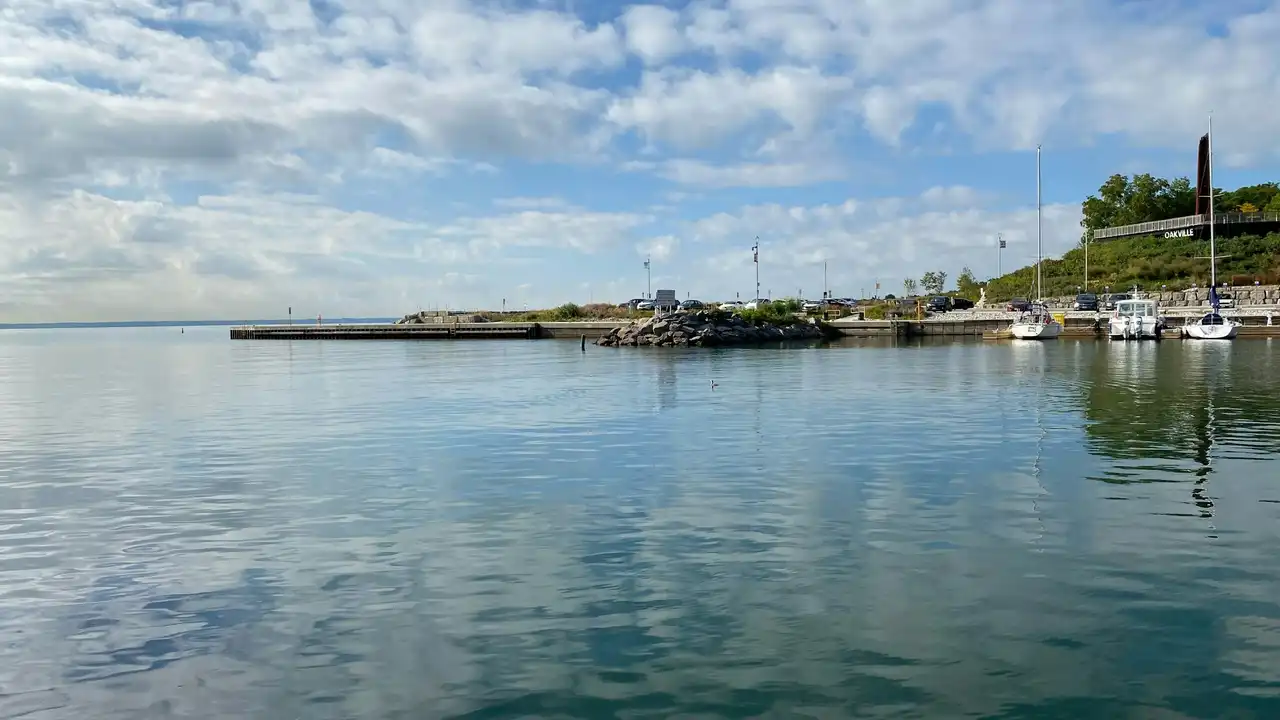
195 listings for sale in Oakville
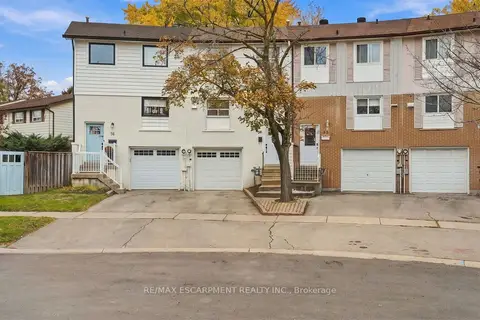
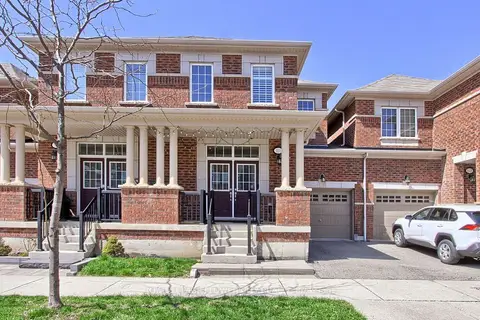
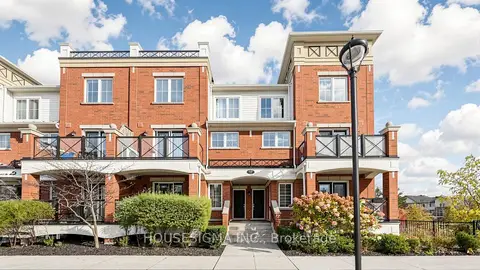
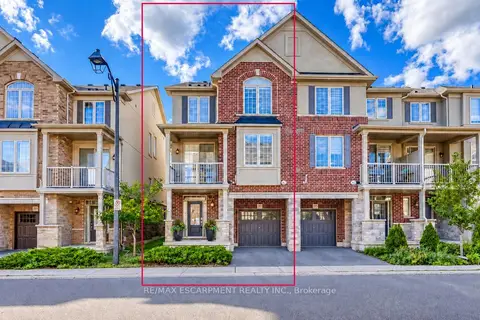
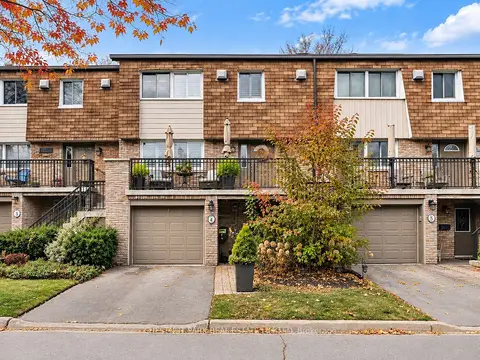
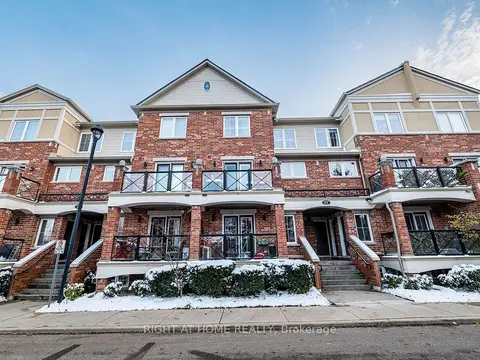
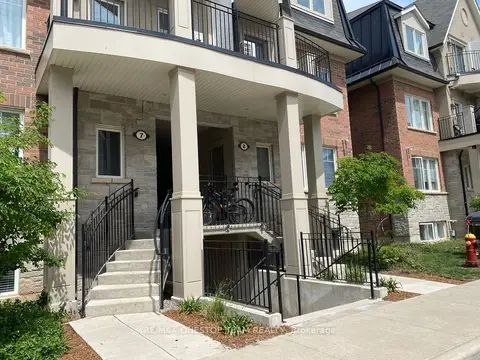
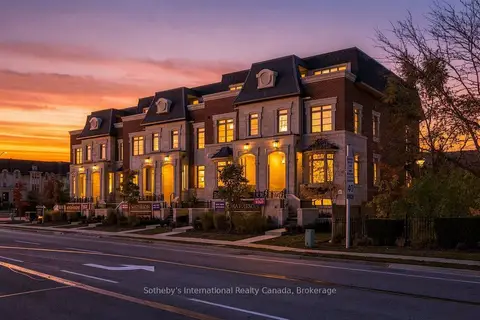
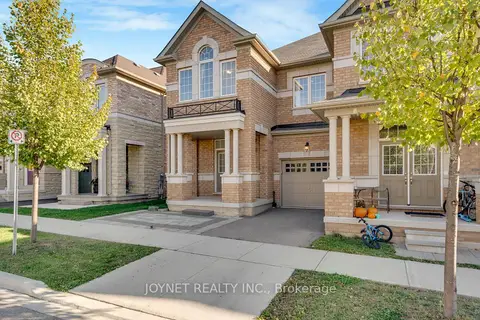
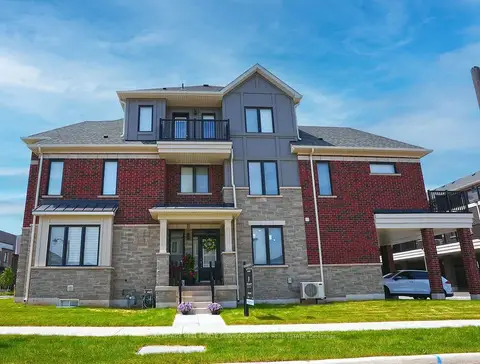
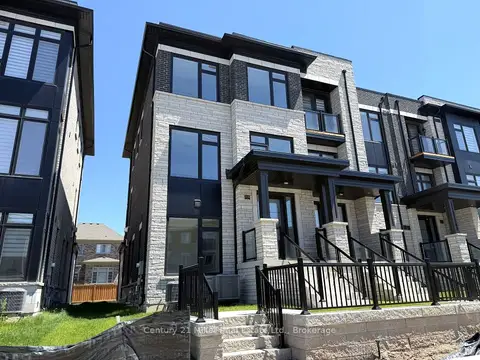
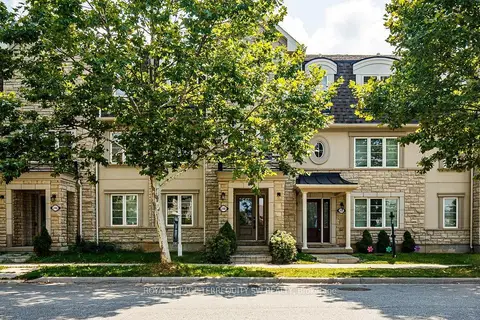
Current listings in Oakville include 141 Freehold Townhouses from $649K–$3.4M and 54 Condo Townhouses from $499K–$2.2M.
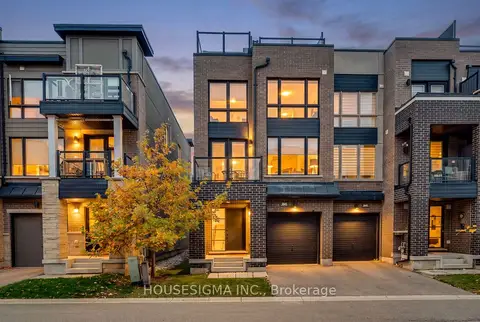
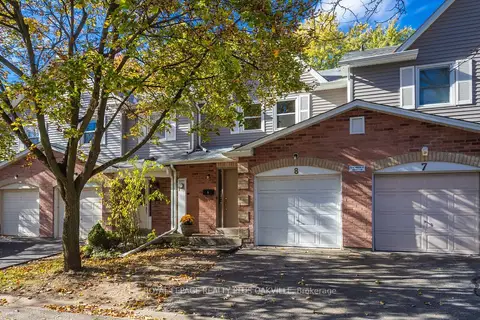
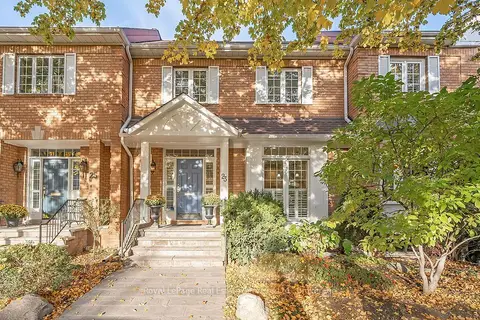
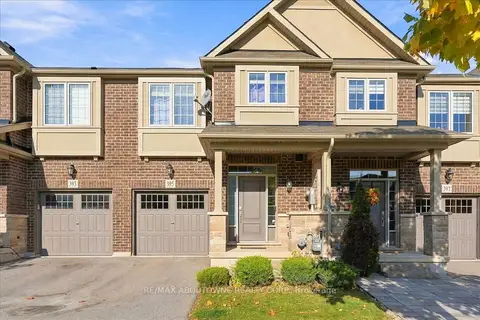
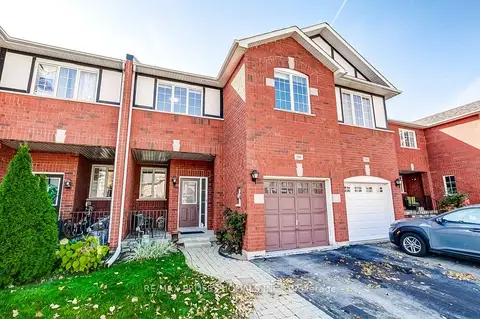
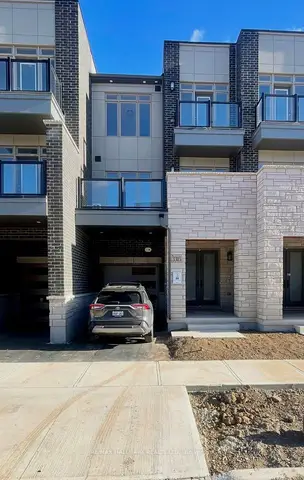
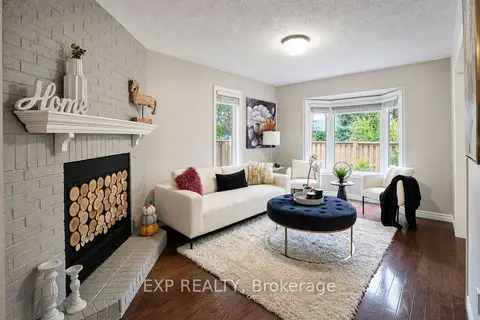
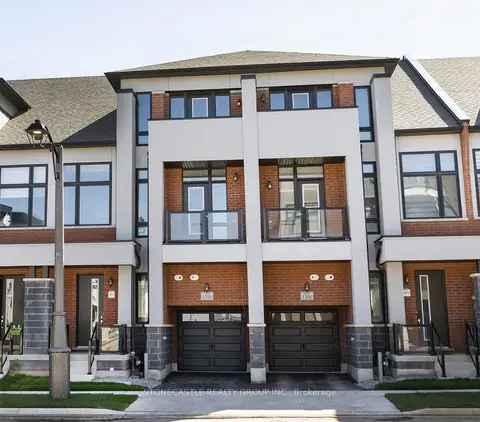
Keep exploring
Get to know Oakville
The numbers
Oakville by the numbers
condo townhouses for sale in Oakville vs nearby cities
In Oakville, the median asking price for condo townhouses is $680K, lower than Mississauga ($736K), and about the same as Burlington ($699K), and higher than Milton ($615K).
Condo townhouses that sold in October 2026 went for a median of $532 per square foot, higher than Mississauga ($473), and about the same as Burlington ($523).
Sales in October 2026 closed at 96% of the asking price, about the same as Mississauga (97%) and Burlington (96%).
Listings have been on the market for an average of 41 days, shorter than Mississauga (48), Burlington (45) and Milton (48).
There are 3.9 months of inventory at the recent sales pace, about the same as Mississauga (4.1) and Milton (3.6), and more than Burlington (2.0).
| Metric | Oakville | Mississauga | Burlington | Milton |
|---|---|---|---|---|
| Median Asking Price | $680K | $736K | $699K | $615K |
| Median Sold $/sqft | $532 | $473 | $523 | — |
| Sale-to-List Ratio | 96% | 97% | 96% | — |
| Avg. Days on Market | 41 | 48 | 45 | 48 |
| Months of Inventory | 3.9 | 4.1 | 2.0 | 3.6 |
Asking prices, days on market and inventory are current. Sold figures are for sales in October 2026.
Oakville Townhouse Market
As of November 2026, Oakville has 54 active condo townhouses for sale with a median list price of $680K, averaging 41 days on market. With 3.9 months of inventory at the recent three-month sales pace, this is currently a balanced market that leans toward buyers. Only 39 homes sold for every 100 new listings over the last three months, which tips it toward buyers.
Balanced market
Leaning toward buyers
3.9 months of inventory
39% of new listings sold
How we call the market
With 3.9 months of inventory at the recent three-month sales pace, this is currently a balanced market that leans toward buyers. Only 39 homes sold for every 100 new listings over the last three months, which tips it toward buyers. From August to October 2026, 42 condo townhouses sold, 35 sellers took their home off the market without relisting and 37 came back at a lower price — a 55% sell-through. Over August to October 2026, homes sold for a median 94.0% of their first asking price, and the median sold price per square foot was down 5.5% from the same months a year earlier.
What we measure, over the last three full months
- Months of inventory: homes for sale today, divided by the average number sold per month. Fewer months means less choice for buyers.
- Sell-through: of the sellers whose listing ended, the share who actually sold. A seller who takes their home off the market and doesn’t list it again within 60 days counts as not selling. A home that comes off and goes back on (often a day later, at a lower price) counts as a price cut, not a seller giving up.
- Sold vs. first asking price: what homes sold for, compared with the price they were first listed at. We follow a home back through any relists, because a relist starts a new MLS® listing and hides the earlier, higher price.
- Sales to new listings: homes sold for every 100 that came on the market. TRREB publishes this as its SNLR. Under 40% favours buyers and over 60% favours sellers.
- Price trend: the median sold price per square foot, compared with the same three months a year earlier.
How the call is made
- Seller’s market: under 3 months of inventory, at least 70% sell-through, and homes selling for 98% or more of their first asking price, or prices up from a year ago while homes sell for at least 96% of it. We also need at least 20 sales in the three months, because a handful of sales can swing the numbers.
- Buyer’s market: over 6 months of inventory, or under 50% sell-through (more sellers giving up than selling).
- Balanced market: everything in between, including low inventory where sellers are cutting prices, relisting or pulling their homes. We say it leans toward buyers when fewer than 40% of new listings sold or inventory is 5 months or more, and toward sellers when more than 60% sold.
Based on MLS® listings from TRREB. Area totals only. We don’t show a call when fewer than 10 homes sold in those three months. Relists are matched by address, so a home relisted under a differently written address counts as taken off the market. Private sales and listings not on MLS® aren’t included. This is a general guide to the area, not an appraisal or advice about a specific home.
Based on properties for sale & sold — rentals not included. Figures are a monthly rollup covering November 1–4, 2026 (month to date), refreshed with each MLS® sync — shown as of November 4, 2026.
Property Type
Bedrooms
54
Number of homes currently for sale in this area.
$680K
The middle asking price among active listings -- half are listed higher, half lower.
$591
Median list price divided by square footage, for comparing across different unit sizes.
41
Average number of days active listings have been on the market.
| Metric | Current |
|---|---|
| Active listings | 54 |
| Median asking price | $680K |
| Average days on market | 41 |
| Months of inventory | 3.9 mo |
| Sales in October 2026 | 12 |
| Sale-to-list ratio | 96% |
| YoY median sold-price change | — |
Price trend
Median asking price against median sold price, by month.
What actually sold
12 condo townhouses sold in Oakville in October 2026 at a median of $685K. Sales closed at an average of 96% of asking price.
Closed sales — the figures above describe homes still on the market.
$685K
The middle sold price among closed sales this period -- half sold for more, half for less.
$532
Median sold price divided by square footage, for comparing across different unit sizes.
3.9 mo
How long it would take to sell all current listings at the recent sales pace. Lower favors sellers, higher favors buyers.
0%
Homes sold this period as a share of new listings -- a higher ratio signals stronger demand.
96%
Average sold price as a percentage of asking price. Above 100% means homes are selling over asking.
12 sold in October 2026 · median $685K · 96% of asking
Aggregate estimates from TRREB MLS® data (PropTx feed). Deemed reliable but not guaranteed, and not an appraisal. Full terms.
Free monthly email
Get Oakville sold prices by email each month
One email when the Oakville market report updates. No account needed, and you can unsubscribe any time.
Buildings
Oakville Townhouse Developments
Explore townhouses for sale across Oakville's established and emerging townhouse communities. Browse development-level listings, pricing, amenities, suite sizes and market data for individual Oakville townhouse developments.
Condo buildings in Oakville.
- 2370 Khalsa Gate Townhouses
- Harbour Club Townhomes
- 2272 Mowat Avenue Townhomes
- 1270 Gainsborough Drive Townhouses
- 233 Duskywing Way Townhouses
- The 6ixth Towns
- Gatwick & Littlewood Stacked Townhomes
- Harbour Place Townhouses
- 530 Falgarwood Drive Townhouses
- 349 Wheat Boom Drive Townhouses
- 2254 Rockingham Drive Townhouses
- 2614 Dashwood Drive Townhouses
Best for
Best for...
Best for Resale Liquidity: River Oaks
River Oaks has the deepest current market surveyed -- 12 active listings and 6 closed sales in the trailing 3 months -- meaning less risk of an illiquid resale.
Best for: Investors who want an exit option -- a deep resale market when it is time to sell.
Best for Demand Momentum: River Oaks
River Oaks is absorbing new listings fastest of any neighbourhood surveyed -- a 0% sales-to-new-listings ratio, a sign of demand outrunning current supply.
Best for: Buyers who want to move before rising demand pushes prices further.
Best for a Fast-Moving Market: Falgarwood
Falgarwood has the tightest inventory surveyed -- 0.3 months of supply at the current sales pace, with a $500,000 median list price.
Best for: Buyers ready to act quickly when the right listing comes up.
Best for Buyer Negotiating Leverage: River Oaks
River Oaks carries the loosest inventory surveyed -- 2.8 months of supply -- meaningfully more choice for a buyer than current sales pace is absorbing.
Best for: Buyers who want room to negotiate and more listings to compare before committing.
Best for a Premium, Patient Hold: Joshua Creek
Joshua Creek carries the highest median list price surveyed, $1,089,000, with a longer average time on market (40 days) -- a patient, premium submarket rather than a quick turnover.
Best for: Long-term holders comfortable paying a premium for a slower-moving, higher-end submarket.
Best for Cash Flow: River Oaks
River Oaks has the highest gross rent yield surveyed -- 5.3% (median asking rent against median list price, before carrying costs).
Best for: Investors prioritizing rental income over price appreciation.
Neighbourhoods
Browse Oakville Townhouses by Neighbourhood
Oakville's newest master-planned community, a "walkable urban village" in the far north of town
River Oaks25 Townhouses For Salean established, family-oriented community beside Oakville's Uptown Core
Bronte22 Townhouses For Salea historic harbour village on Oakville's western waterfront, walkable and increasingly high-rise
Joshua Meadows22 Townhouses For Saleone of North Oakville's newest master-planned communities, north of Dundas near Highway 407
Westmount22 Townhouses For Salea newer master-planned community in Oakville's upper west end, near the hospital and Bronte GO
Glen Abbey14 Townhouses For Salea prestigious, family-oriented community around the Glen Abbey golf course and Bronte Creek
Bronte Creek10 Townhouses For SaleCentral6 Townhouses For Salea walkable district around Kerr Village, minutes from downtown, the lake and Oakville GO
The guide
Buying a Townhouse in Oakville
Freehold or condo townhouse: what is the difference?
Buy a freehold townhouse and the land comes with it, just like a detached house, except the side walls are shared. Nobody bills you a monthly fee, no board signs off on your plans, and a standard freehold has no status certificate, the condo corporation’s report on its money and rules. You decide when the roof, windows or driveway get replaced, and you pay for them. Buy a condo townhouse and you own what is inside your walls. The condominium corporation owns the rest of the complex, typically the roofs, siding, internal roads, guest parking and gardens, and owners fund its upkeep through fees and a reserve fund. Each complex’s declaration, its founding legal document, sets out who looks after what, so two Oakville complexes can split the duties differently. A freehold’s higher price and a condo’s monthly fee often even out, so weigh the full cost of each over a year. Our guide to freehold vs. condo townhouses in Ontario goes into detail.
What is a POTL townhouse?
Not every freehold is fee-free. A POTL, short for parcel of tied land, is a freehold lot legally linked to a common elements condominium, which owns things like a private road, guest parking, mailboxes or an entry garden. Owners chip in a monthly fee for those shared features. Since the corporation never touches your house, that fee is normally far below a full condo fee. Watch for “POTL” or a monthly charge in the listing. Either one means your lawyer should read the corporation’s status certificate, budget and rules before your offer is firm.
Where are the freehold and condo townhouses in Oakville?
Freehold townhouses are mostly north of Dundas Street, in planned communities such as Glenorchy and Joshua Meadows, where builders mixed regular and rear-lane townhomes near Highway 407, new schools and parks. South of Dundas, freehold townhouse streets are scattered through subdivisions from the late 1980s onward, including West Oak Trails, Westmount and River Oaks, where streets are more settled.
Condo townhouses fall into two groups. Older complexes, many from the 1970s to the 1990s, sit in established areas such as Glen Abbey, River Oaks, College Park, Falgarwood and Bronte, often on private roads with mature trees and bigger floor plans than new builds. Newer stacked, back-to-back and row condo townhomes are mostly north of Dundas. The Oakville townhouse directory lists each complex, such as Waterlilies and Parkhaven, and the tiles on this page show where today’s listings are.
What do condo townhouse fees cover?
Fees pay to maintain, insure and eventually replace the shared parts, for property management, and for the reserve fund that pays for big items like roofs, windows, paving and fencing. Some complexes include water, snow clearing or landscaping; others leave more to you. So a lower fee is not automatically a better deal. Older complexes often have higher fees and depend more on a healthy reserve fund; newer ones have lower fees today but less history to judge. Fees can rise each year, and a short reserve can lead to a special assessment, a one-time charge to every owner. Read how to evaluate condo maintenance fees before comparing listings.
What does a freehold townhouse cost to own?
There is no condo fee, but the costs a fee would cover still arrive, just at odd times. Budget the way a condo corporation would: put money aside each year for the roof, windows, furnace and air conditioning, driveway and fencing. You also insure the whole structure, not just the inside. Newer North Oakville homes may still have some builder warranty and newer systems; older homes south of Dundas trade that for mature trees and easy access to schools, shops and transit. You can renovate without board approval, within Oakville’s zoning by-law and permit rules, but work on a shared wall affects your neighbour too.
What should I check before making an offer?
Buying a condo townhouse? Write your offer so it only becomes firm once your lawyer has read the status certificate. Ontario gives the corporation 10 days to hand it over. Inside you will find the budget, the reserve fund and its latest study, any planned fee hikes or special assessments, lawsuits, insurance and the rules. Confirm whether parking is owned or exclusive-use, and check rules on pets, rentals and renovations. Our explainer on the condo status certificate shows what to look for.
Buying a freehold? No corporation shares the repairs, so the inspection carries more weight. Have the inspector focus on the roof and its edges, the attic, the firewall between you and the neighbours, the windows, the heating and cooling, and how water drains away from the foundation. Ask your lawyer to check the survey for easements, since mutual drives and utility rights-of-way are common on Oakville townhouse lots. A POTL adds one more condition: the common elements status certificate. Our home inspection guide covers the details.
What will I pay beyond the price?
Oakville buyers pay the Ontario land transfer tax on closing and nothing more, because the Town has no tax of its own. First-time buyers who qualify get part or all of it back. Our land transfer tax calculator works out the figure. Property tax is your home’s assessed value, set by MPAC (the Municipal Property Assessment Corporation), times Oakville’s combined rate for the Town, Halton Region and education. Assessments lag prices, so ask for the seller’s current tax bill. Legal fees, title insurance and adjustments are covered in our guide to closing costs in Ontario, and first-time buyers should read first-time home buyer incentives in Ontario.
What changes if I buy new from a builder?
Most new townhouse building in Oakville is north of Dundas. Every new home gets the Tarion warranty: one year for workmanship and materials, two years for water leaks and the electrical, plumbing and heating systems, and seven years for major structural defects. A new condo townhouse also has a 10-day cooling-off period after you sign and receive the disclosure statement, and you may pay interim occupancy fees if you move in before the condo is registered. A new freehold has no cooling-off period, so have a lawyer review the agreement before you sign. For both, read the closing adjustments: development charge increases, utility and meter fees, grading deposits and warranty enrolment can add to the price.
How do I read Oakville townhouse prices?
The figures at the top of this page cover freehold and condo townhouses and update with every MLS® sync. The Oakville townhouse market report tracks sold prices and the year-over-year change each month. If another source shows a different trend, check three things. Does it use medians or averages? Which month does it measure? And does it mix freehold and condo townhouses? Freeholds sell for more and move on their own cycle, so use the buttons above to compare like with like.
Oakville Townhouse FAQ
What does freehold mean for an Oakville townhouse?
It means the lot is yours along with the house. You share side walls but answer to no condo board, pay no monthly condo fee and cover every repair yourself.
How is a condo townhouse different from a freehold?
A condo townhouse owner holds the unit and pays a corporation to look after roofs, siding, roads and grounds. A freehold owner holds the house and land and looks after everything. A POTL sits in between, with a small fee for shared features only.
How much does a townhouse cost in Oakville?
Both kinds are counted in the live figures at the top of this page, which refresh with each MLS® sync. Freeholds tend to sell above nearby condo townhouses because the land is included, so switch the buttons to compare one kind at a time.
Do freehold townhouses in Oakville have monthly fees?
Not on a public street. Only a POTL pays one, to the common elements condominium that runs its private road or shared areas, and that fee is normally well below a condo fee.
Is a freehold or condo townhouse cheaper to own?
There is no general answer. The condo’s lower price carries a fee; the freehold’s higher price carries the repair bills. Put a yearly repair budget next to the condo fee and compare the totals.
How can I tell if a freehold townhouse is a POTL?
Look for “POTL” or “common elements” in the listing, or a monthly fee on a home called freehold. Your lawyer can confirm it from the title search, which shows whether the lot is tied to a common elements condominium.
What is a stacked townhouse?
Two condo homes built one on top of the other, each reached by its own door. Many newer North Oakville complexes use this design.
What is in a status certificate?
The condo or POTL corporation’s finances and rules: its budget, reserve fund, coming fee changes, special assessments, lawsuits and insurance. Your lawyer should review it before your offer goes firm.
What documents should my lawyer review before my offer is firm?
For a condo or POTL, the status certificate comes first. It brings the budget, the reserve fund study, the rules and the insurance. For any townhouse, your lawyer also checks the title and the survey. They show shared driveways, rights of way and any debts tied to the home.
Do I need a home inspection for a freehold townhouse?
Yes. You will own the roof, windows, furnace, foundation and drainage, so an inspection of those, plus the firewall shared with your neighbours, is one of the most important conditions in an offer.
Are pets allowed in Oakville condo townhouses?
It depends on the complex. Each corporation sets its own pet rules, which can limit number, size or type. Check the rules in the status certificate before you make an offer.
Can I back out of buying a new townhouse?
A new condo townhouse gives you a 10-day window to cancel after signing. A new freehold does not, so a lawyer should read the builder’s agreement before you commit.
Is there an Oakville land transfer tax?
No. Oakville buyers pay the Ontario tax only, and qualifying first-time buyers can get some or all of it refunded.

Miko Nalepa
Realtor® at The Condo Bar Real Estate · RECO #4737024
With 15+ years in real estate and a GTA West focus since 2016, Miko Nalepa is a Realtor® with Right At Home Realty, Brokerage, specializing in condos, townhouses, and detached homes across Mississauga, Oakville, Burlington, and Milton. The focus stays deliberately narrow -- four cities, not a Toronto-wide practice -- because that's what it takes to know individual buildings and blocks, not just neighbourhood names.
Miko Nalepa is also the creator of The Condo Bar, the data platform behind this site, tracking building-level sales history and live market reports across 450+ GTA West condo buildings so every recommendation starts with what comparable units actually closed for, not asking price.