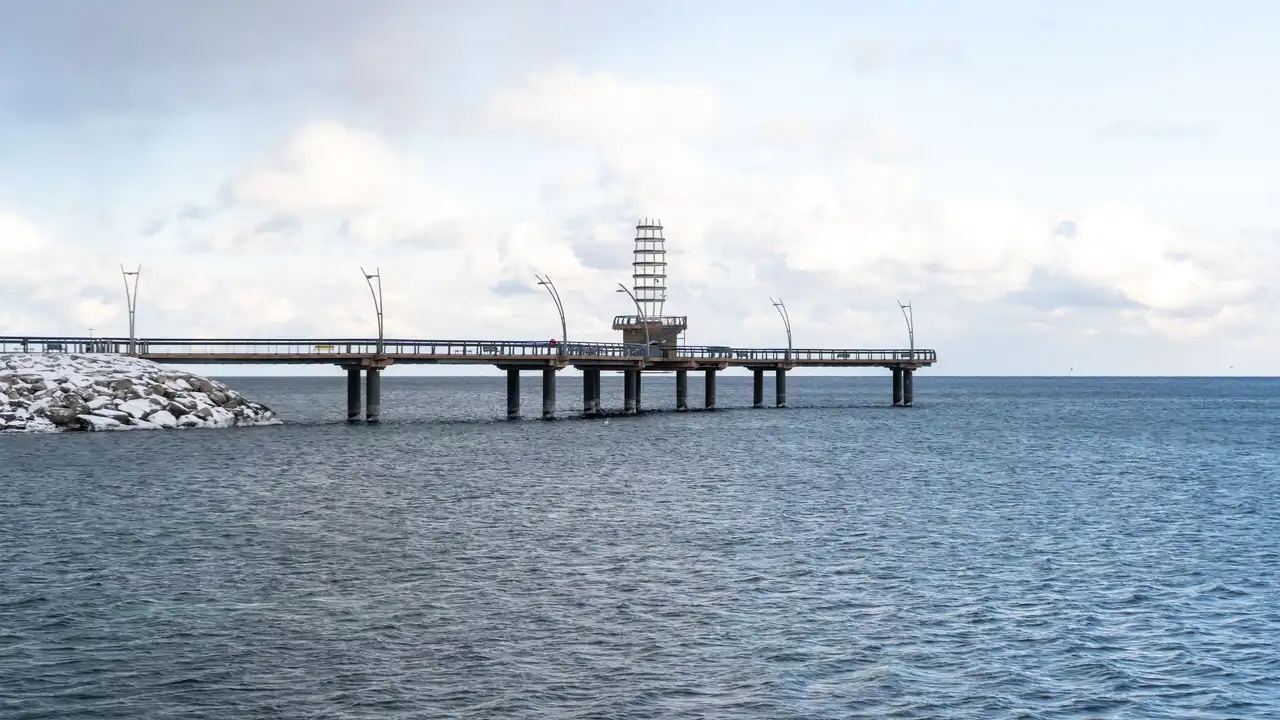
131 listings for sale in Burlington
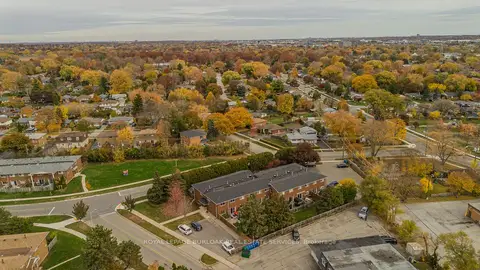
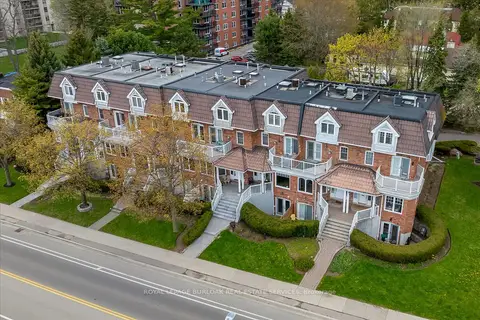
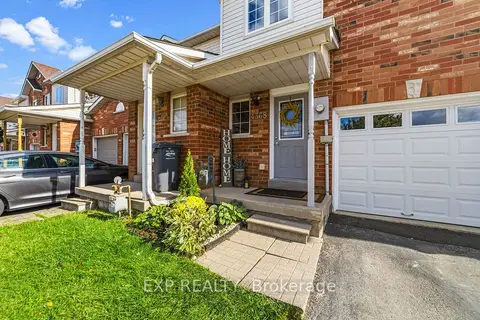
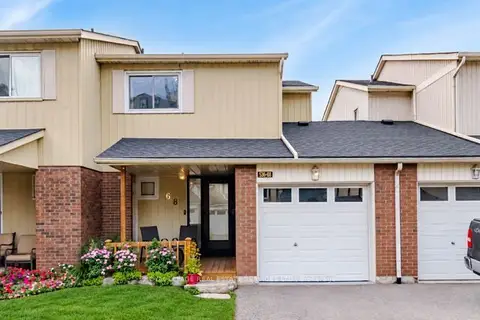
Current listings in Burlington include 42 Freehold Townhouses from $700K–$1.5M and 89 Condo Townhouses from $299K–$1.5M.
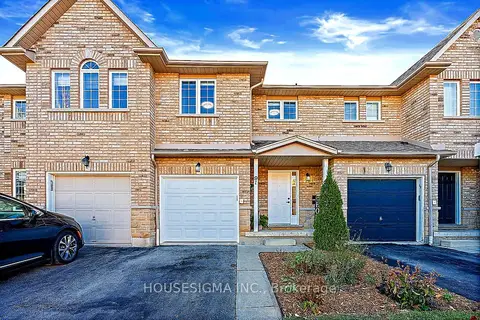
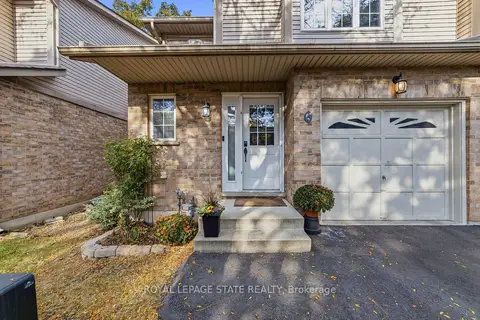
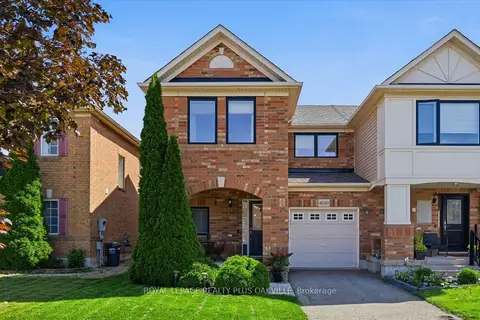
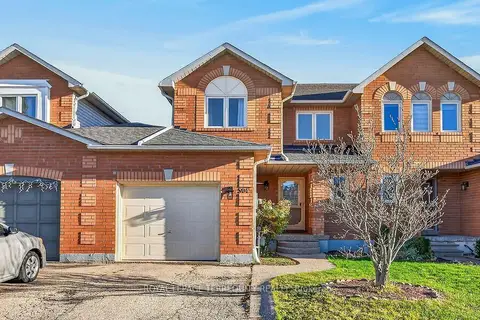
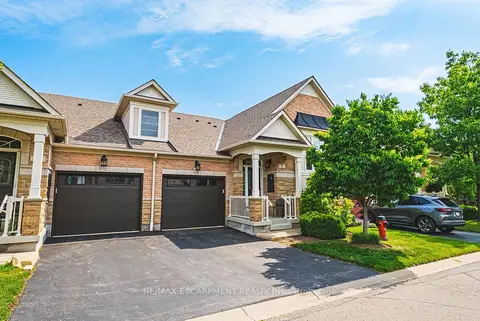
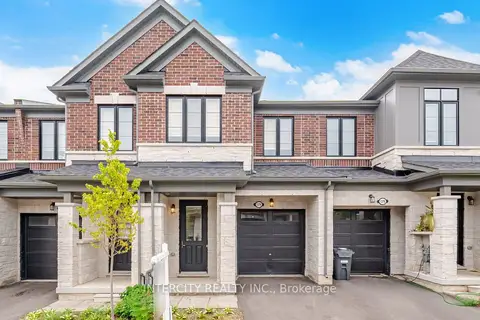
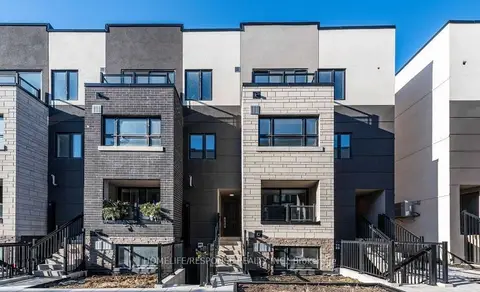
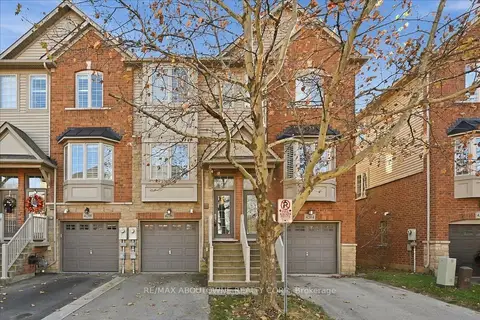
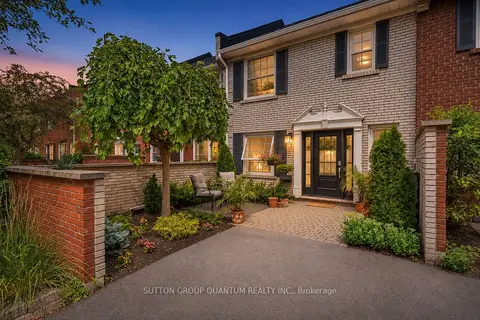
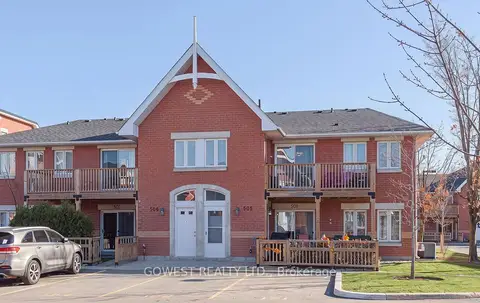
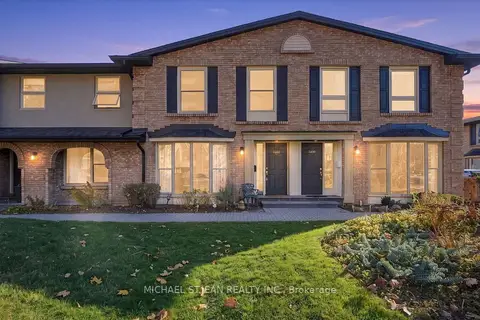
Townhouses in nearby cities
Not set on Burlington? See townhouses for sale in the cities next door.
Choose a property type to see its market stats
Burlington Townhouse Market · Updated November 26, 2026
Condo townhouses in Burlington are in a balanced market
As of November 2026, Burlington has 90 active condo townhouses for sale.
Market condition · Condo Townhouse
Condo townhouses in Burlington are in a balanced market. 2.3 mo months of inventory.
How we call the market
Inventory is low at 2.3 months of inventory, but homes are selling under their first asking price and prices aren't clearly rising, so this is currently a balanced market.
From August to October 2026, 119 condo townhouses sold, 47 sellers took their home off the market without relisting and 75 came back at a lower price — a 72% sell-through.
How it stacks up
Burlington vs. its neighbours
In Burlington, the median asking price for condo townhouses is $679.9K, lower than Mississauga ($722.5K), and about the same as Oakville ($689.9K), and higher than Milton ($600K).
Sold figures are for sales in October 2026. Everything else is current.
Burlington by the numbers
condo townhouses for sale in Burlington vs nearby cities
In Burlington, the median asking price for condo townhouses is $679.9K, lower than Mississauga ($722.5K), and about the same as Oakville ($689.9K), and higher than Milton ($600K).
Condo townhouses that sold in October 2026 went for a median of $520 per square foot, higher than Mississauga ($475), and about the same as Oakville ($527).
Sales in October 2026 closed at 96% of the asking price, about the same as Mississauga (97%) and Oakville (96%).
Listings have been on the market for an average of 50 days, shorter than Mississauga (56), and about the same as Oakville (47) and Milton (48).
There are 2.3 months of inventory at the recent sales pace, fewer than Mississauga (3.7), Oakville (3.9) and Milton (3.2).
| Metric | Burlington | Mississauga condo townhouses for sale | Oakville condo townhouses for sale | Milton condo townhouses for sale |
|---|---|---|---|---|
| Median Asking Price | $679.9K | $722.5K | $689.9K | $600K |
| Median Sold $/sqft | $520 | $475 | $527 | — |
| Sale-to-List Ratio | 96% | 97% | 96% | — |
| Avg. Days on Market | 50 | 56 | 47 | 48 |
| Months of Inventory | 2.3 | 3.7 | 3.9 | 3.2 |
Asking prices, days on market and inventory are current. Sold figures are for sales in October 2026.
Inside the market · Condo Townhouse
Where Burlington prices actually sit
Price trend
Median asking vs. median sold, Nov '25 – Nov '26
| Month | Median asking price | Median sold price |
|---|---|---|
| Nov '25 | — | $740,000 |
| Dec '25 | — | $609,500 |
| Jan '26 | — | $677,500 |
| Feb '26 | — | $705,000 |
| Mar '26 | — | $739,900 |
| Apr '26 | — | $690,000 |
| May '26 | — | $728,000 |
| Jun '26 | — | $685,000 |
| Jul '26 | — | $670,000 |
| Aug '26 | — | $673,500 |
| Sep '26 | — | $670,000 |
| Oct '26 | — | $700,000 |
| Nov '26 | $679,900 | $651,000 |
Burlington condo townhouses: the figures in words
As of November 2026, Burlington has 90 active condo townhouses for sale with a median list price of $679.9K, averaging 50 days on market. Inventory is low at 2.3 months of inventory, but homes are selling under their first asking price and prices aren't clearly rising, so this is currently a balanced market.
What actually sold
41 condo townhouses sold in Burlington in October 2026 at a median of $700K. Sales closed at an average of 96% of asking price.
Closed sales. The listing figures describe homes still on the market.
| Metric | Current |
|---|---|
| Active listings | 90 |
| Median asking price | $679.9K |
| Average days on market | 50 |
| Months of inventory | 2.3 mo |
| Sales in November 2026 (month to date) | 16 |
| Median sold price | $651K |
| Sold $ per sqft | $560 |
| Sale-to-list ratio | 95% |
| Sales-to-new-listings ratio | 53% |
| Year-over-year median sold-price change | -12.0% |
- Median list price:
- The middle asking price among active listings: half are listed higher, half lower.
- Months of inventory:
- How long it would take to sell all current listings at the recent sales pace. Lower favors sellers, higher favors buyers.
- Sale-to-list ratio:
- Average sold price as a percentage of asking price. Above 100% means homes are selling over asking.
- Sales-to-new ratio:
- Homes sold this period as a share of new listings. A higher ratio signals stronger demand.
- Sold $ per sqft:
- Median sold price divided by square footage, for comparing across different unit sizes.
How we call the market
Inventory is low at 2.3 months of inventory, but homes are selling under their first asking price and prices aren't clearly rising, so this is currently a balanced market. From August to October 2026, 119 condo townhouses sold, 47 sellers took their home off the market without relisting and 75 came back at a lower price — a 72% sell-through. Over August to October 2026, homes sold for a median 95.4% of their first asking price, and the median sold price per square foot was down 6.0% from the same months a year earlier.
What we measure, over the last three full months
- Months of inventory: homes for sale today, divided by the average number sold per month. Fewer months means less choice for buyers.
- Sell-through: of the sellers whose listing ended, the share who actually sold. A seller who takes their home off the market and doesn’t list it again within 60 days counts as not selling. A home that comes off and goes back on (often a day later, at a lower price) counts as a price cut, not a seller giving up.
- Sold vs. first asking price: what homes sold for, compared with the price they were first listed at. We follow a home back through any relists, because a relist starts a new MLS® listing and hides the earlier, higher price.
- Sales to new listings: homes sold for every 100 that came on the market. TRREB publishes this as its SNLR. Under 40% favours buyers and over 60% favours sellers.
- Price trend: the median sold price per square foot, compared with the same three months a year earlier.
How the call is made
- Seller’s market: under 3 months of inventory, at least 70% sell-through, and homes selling for 98% or more of their first asking price, or prices up from a year ago while homes sell for at least 96% of it. We also need at least 20 sales in the three months, because a handful of sales can swing the numbers.
- Buyer’s market: over 6 months of inventory, or under 50% sell-through (more sellers giving up than selling).
- Balanced market: everything in between, including low inventory where sellers are cutting prices, relisting or pulling their homes. We say it leans toward buyers when fewer than 40% of new listings sold or inventory is 5 months or more, and toward sellers when more than 60% sold.
Based on MLS® listings from TRREB. Area totals only. We don’t show a call when fewer than 10 homes sold in those three months. Relists are matched by address, so a home relisted under a differently written address counts as taken off the market. Private sales and listings not on MLS® aren’t included. This is a general guide to the area, not an appraisal or advice about a specific home.
Based on properties for sale and sold. Rentals not included.
Aggregate estimates from TRREB MLS® data (PropTx feed). Deemed reliable but not guaranteed, and not an appraisal. Full terms.
See the address, photos and exact price of every sale
See the address, photos and exact sale price for every recent transaction, free with a registered account.
Free monthly email
Get Burlington sold prices by email each month
One email when the Burlington market report updates. No account needed, and you can unsubscribe any time.
Burlington Townhouse Developments
Explore townhouses for sale across Burlington's established and emerging townhouse communities. Browse development-level listings, pricing, amenities, suite sizes and market data for individual Burlington townhouse developments.
- Northshore Townhouses
- 2871 Darien Road Townhouses
- Roseland Green Townhouses
- Tyandaga Mews Townhouses
- The Brownstones Townhouses
- 2273 Turnberry Road Townhouses
- The Ghent Collective Townhouses
- Liv Towns
- Forest Chase Townhouses
- 181 Plains Road W Townhouses
- Village West Urban Towns
- 2920 Headon Forest Drive Townhomes
18 neighbourhoods
Browse Burlington Townhouses by Neighbourhood
Each part of Burlington has its own character, prices and listings. Start with the one that fits.
- Applebya southeast-Burlington community near the lake and Appleby GO19 Townhouses For Sale
- Brantdowntown Burlington along Brant Street, steps from the waterfront and Spencer Smith Park16 Townhouses For Sale
- Tyandaga12 Townhouses For Sale
- Brant Hillsa family-oriented north-Burlington community off Guelph Line9 Townhouses For Sale
- LaSalleBurlington's west-end Aldershot area, near the Royal Botanical Gardens and Aldershot GO8 Townhouses For Sale
- Rosethe Millcroft golf-course community in north Burlington8 Townhouses For Sale
- OrchardThe Orchard, a newer family community in southeast Burlington7 Townhouses For Sale
- Roselanda prestigious, tree-lined community in south Burlington near the lake7 Townhouses For Sale
- Freemana central-Burlington community around the Burlington GO station6 Townhouses For Sale
- Headonthe leafy Headon Forest area of north Burlington6 Townhouses For Sale
- Shoreacresa prestigious lakeside community in southeast Burlington6 Townhouses For Sale
- Uptownthe amenity-rich Uptown district of north Burlington6 Townhouses For Sale
- Bayviewan Aldershot waterfront pocket near LaSalle Park and Burlington Bay5 Townhouses For Sale
- Mountainsidea north-central Burlington community near the escarpment5 Townhouses For Sale
- AltonAlton Village, one of north Burlington's newest master-planned communities4 Townhouses For Sale
- Palmeran established, central-Burlington community off Guelph Line4 Townhouses For Sale
- Tansleya family-oriented north-Burlington community off Appleby Line3 Townhouses For Sale
- Grindstone0 Townhouses For Sale
The buyer’s guide
Buying a Townhouse in Burlington
01 / 10
Freehold or condo townhouse: what do I own?
With a condo townhouse, you own your unit and share the common elements, such as roads, landscaping, visitor parking and often the roofs, walls and windows, with the other owners through a condominium corporation. A monthly fee pays to maintain them and build the reserve fund. Where your duties end and the corporation’s begin is set in the declaration, the complex’s founding legal document, not the listing. In some Burlington complexes the corporation replaces roofs, windows and doors; in others, owners pay for their own windows, doors, decks or driveways. With a freehold townhouse, you own the house and the lot, with no corporation and no condo fee, and you pay for every repair. Our guide to freehold vs. condo townhouses compares what you gain and give up each way.
02 / 10
How do I know if a townhome is truly freehold?
Some listings use “freehold” loosely. A POTL, or parcel of tied land, is a freehold lot tied to a common elements condominium that owns shared features such as a private road, visitor parking or landscaping. Every owner pays a monthly fee for them. Many of Burlington’s infill townhome projects are POTLs. The fee is usually far lower than a condo fee, but it is still required. Before you offer, ask your lawyer to search the title for a tie to a condo corporation, rights-of-way and shared-driveway agreements, and to review that corporation’s budget, reserve fund and rules. Also confirm whether snow clearing, garbage pickup and road repair come from the city or from the corporation you would be paying.
03 / 10
Why are freehold townhouses harder to find in Burlington?
Freeholds are a small share of Burlington’s townhome listings, far fewer than condo townhouses. Most land north of the urban area is protected countryside and Niagara Escarpment, so the city is not building large new subdivisions the way Milton and North Oakville are. Freehold supply comes mainly from the 1990s and 2000s subdivisions in the north and east end, plus small infill projects. Because supply is tight, well-kept freeholds in good school areas tend to sell quickly, so it pays to look at both kinds with the buttons above.
04 / 10
Why are bungalow townhomes so popular in Burlington?
Burlington is one of the GTA’s most popular places to downsize, and many buyers want to leave a detached house without moving into an apartment. Bungalow and bungaloft condo townhouses put the main bedroom and living space on one floor, often with a finished lower level for guests, and the corporation handles the outside. They come up mostly in established complexes in Headon, Tansley, Palmer and Roseland, and they sell fast. Confirm the layout, since some put a second bedroom or loft upstairs, and check the steps at the entrance and into the garage. Read the rules on noise, visitors, pets and rentals, too. If you want a detached one-floor home instead, see Burlington bungalows for sale.
05 / 10
Where are the freehold and condo townhouses in Burlington?
Condo townhouses are spread across the city. South of the QEW, Appleby, Roseland and downtown Burlington have established complexes near the lake, schools and the Appleby and Burlington GO stations. Brant Hills, Tyandaga and Mountainside hold many 1970s and 1980s complexes, often with larger floor plans and lower prices. Headon and Rose have 1990s and 2000s complexes, and Orchard and Alton have the newest, including stacked and back-to-back units near Highway 407.
Freehold townhouses are mostly in the east end around Appleby, near Appleby GO and the QEW, and in the north end in Rose, Orchard and Alton, near the 407 and Dundas Street shopping. Roseland and downtown have fewer, mostly infill townhomes near the lake, often POTLs. Browse complexes in the Burlington townhouse directory, and use the tiles on this page to see where today’s listings are.
06 / 10
Who pays for roofs, windows and other big repairs?
In a condo townhouse, start with the declaration, which assigns the roof, windows and doors, decks and fences, driveways and outside walls. Then read the reserve fund study, which shows when the corporation plans to replace its items and whether the fund can pay. In a 1970s or 1980s complex, find out whether roofs, windows and paving are done or still coming. A low fee next to a newer complex may simply not have caught up yet, and steep increases or a special assessment can follow. Our guide on evaluating condo fees shows how to compare complexes fairly.
In a freehold townhouse, every repair is yours, from the roof, windows and furnace to the driveway, fences and eavestroughs, so set money aside each year, and more for an older home. Shared walls add a wrinkle: a roof or party-wall repair can mean working with the neighbour next door.
07 / 10
What should I check before making an offer?
For a condo townhouse, make the offer conditional on your lawyer’s review of the status certificate, which the corporation must deliver within 10 days. It holds the budget, reserve fund, any special assessment and the rules on pets, parking, renovations and rentals. Our status certificate explainer goes through it item by item. Book a home inspection too, since the furnace, water heater, appliances and basement are yours.
For a freehold townhouse, the inspection is the most important condition. Ask for a report on the roof, including where it meets the neighbours’ roofs, the windows and outside walls, the furnace, air conditioning and water heater (owned or rented), the attic and insulation, and the grading around the foundation.
For both, look closely at drainage. The August 2014 storm flooded basements across Burlington, so ask about past water, sump pumps and backwater valves, and what drainage work a condo complex has done since. Halton Region’s basement flooding subsidy helps pay for backwater valves and sump pumps.
08 / 10
Can I add a unit or renovate?
In a freehold, generally yes, within the rules. Ontario now allows up to three units on most urban lots with a townhome, which can include a basement apartment, but ceiling height, a separate entrance, parking and fire code decide whether it works. You need a City of Burlington building permit. If a home already has a basement apartment, ask whether it has a permit, since an unpermitted unit can affect financing and insurance. For a POTL, the corporation’s rules also apply, and in a condo townhouse most outside changes need the board’s approval.
09 / 10
What will it cost to buy and own?
On closing, you pay the Ontario land transfer tax. Burlington has no city tax, and first-time buyers may get a refund; try our land transfer tax calculator. Add legal fees, title insurance and adjustments, all in our closing costs guide. Each month, add the mortgage, any condo or POTL fee, property tax, utilities, insurance and a repair budget. Utilities are usually separate in townhome complexes, so ask for recent bills. Make sure your lender includes any condo fee in your pre-approval.
10 / 10
How do I read Burlington townhome prices?
The figures at the top of this page cover freehold and condo townhouses and update with every MLS® sync. Freeholds usually sell for more because the land comes with them, so use the buttons to compare like with like. The Burlington townhouse market report tracks monthly sold prices and the year-over-year trend. Months of inventory is the most useful single signal for negotiating: more supply means more choice and more room on price, while less means well-priced townhomes, especially bungalow units, can sell quickly. For more space, Burlington detached and semi-detached homes are the next step up.
FAQ
Burlington Townhouse FAQ
The live count and prices at the top of this page cover freehold and condo townhouses and update with every MLS® sync. Freeholds generally list higher because the land comes with them; older condo complexes in central Burlington are usually the most affordable.
A townhome where you own both the home and the lot, with no condo corporation and no monthly condo fee. You share one or two walls with neighbours and handle all maintenance inside and out.
With a condo townhouse you own the unit and a corporation maintains the outside and grounds for a monthly fee. With a freehold you own the house and land outright, with no fee, but every repair is yours.
Most do not. The exception is a POTL, a freehold tied to a common elements condominium that maintains a private road or shared areas for a monthly fee. Many newer infill projects in Burlington are set up that way.
The urban area is largely built out and the land to the north is protected countryside, so few new freehold subdivisions are built. Supply comes mostly from existing homes in the north and east end and small infill projects.
Yes. Burlington has many bungalow and bungaloft condo townhouses, mostly in established complexes, and they are popular with downsizers. They list less often and sell quickly, so set up alerts and get pre-approved.
It depends on the declaration. In many complexes the corporation replaces roofs from the reserve fund, but some make owners responsible for roofs, windows, doors or decks. Your lawyer can confirm it from the status certificate.
Month to month it usually costs less, since there is no condo fee, but you pay every repair directly. Compare the condo fee against a realistic yearly repair budget, not against zero.
Ask about any past basement water and whether there is a backwater valve or sump pump, and have your inspector review grading and downspouts. Halton Region’s basement flooding subsidy helps pay for both.
Only on a new condo townhouse, which has 10 days after signing. A new freehold bought from a builder has none, so have a lawyer review the agreement before you sign.
No. Burlington buyers pay only the Ontario land transfer tax, and first-time buyers may be eligible for a refund.
Thinking of selling in Burlington?
Get a home evaluation built on recent nearby sales and active competition, not a city-wide average.